
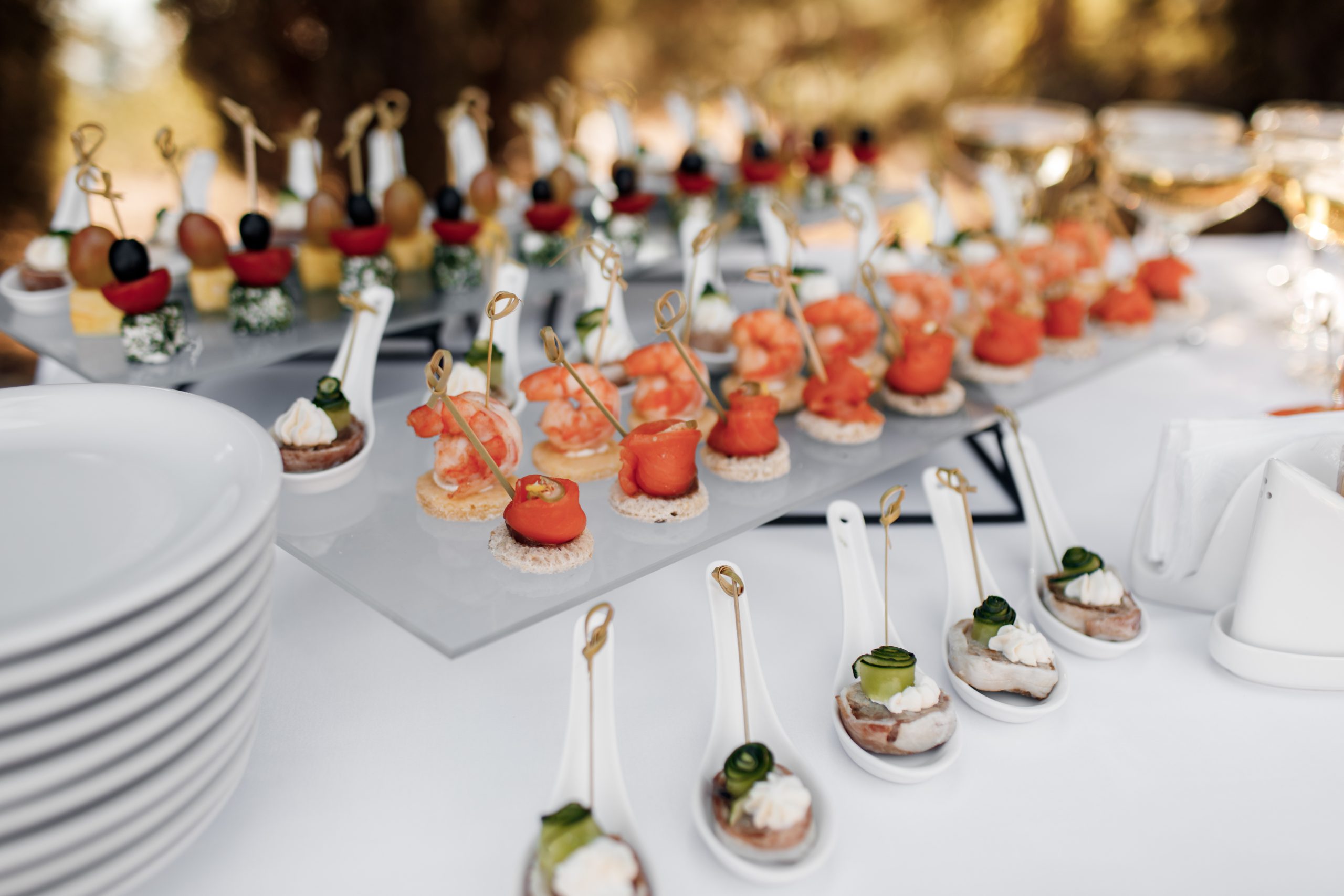
Spring brings a natural shift in how we gather and how we eat. The heaviness of winter gives way to lighter, brighter flavors, and menus begin to reflect a sense of renewal that feels both effortless and intentional.
Designing a spring menu is not simply about using seasonal ingredients. It is about capturing a mood. One that feels fresh, balanced, and aligned with the energy of longer days, open spaces, and more relaxed, vibrant gatherings.
Here is how to create a spring menu that feels as good as it tastes.
1. Let Seasonality Lead the Way
Spring offers a natural advantage when it comes to menu planning. Ingredients are at their peak, flavors are more vibrant, and dishes can feel lighter without losing depth.
Instead of forcing complexity, focus on what is already in season. Fresh vegetables, herbs, and delicate proteins naturally bring brightness to the table. When ingredients are chosen with intention, the menu begins to build itself.
Seasonality is not just a guideline, it is the foundation of a balanced spring experience.
2. Prioritize Lightness Without Losing Satisfaction
A common misconception is that lighter menus feel less filling. In reality, balance is what creates satisfaction.
Incorporating a mix of textures and components allows dishes to feel complete without being heavy. Crisp elements, fresh greens, and well-composed proteins can create depth while maintaining a sense of ease throughout the meal.
A spring menu should leave guests feeling energized, not overwhelmed.
3. Build a Natural Flow From Start to Finish
As with any well-designed menu, progression matters.
Spring menus benefit from a gradual build. Starting with refreshing, delicate dishes and moving toward slightly richer, more structured courses creates a rhythm that feels intuitive. The goal is not to impress with intensity, but to guide guests through a cohesive and enjoyable experience.
When the flow feels natural, the entire meal becomes more memorable.
4. Use Color as Part of the Experience
Spring is inherently visual. The colors of the season—soft greens, vibrant yellows, subtle pastels—can transform a table without the need for excess decoration.
A thoughtfully designed menu reflects this palette. Dishes that incorporate color naturally enhance the overall atmosphere, making the experience feel more alive and immersive.
When food and presentation align, the result feels intentional rather than decorative.
5. Keep the Experience Effortless
Spring gatherings often feel more relaxed, whether they take place outdoors or in light-filled spaces. The menu should support that energy, not complicate it.
Overly complex dishes or rigid service can disrupt the natural flow of the event. Instead, focus on a style of dining that feels fluid and comfortable, allowing guests to move, interact, and enjoy without interruption.
Effortlessness, when well executed, is a sign of thoughtful planning.
6. Design for Connection, Not Just Consumption
At its core, a spring menu is about creating space for connection.
The best menus are not only remembered for their flavors, but for how they made people feel. A balanced, fresh approach encourages conversation, shared moments, and a sense of ease that lingers beyond the table.
When the experience is designed with intention, the food becomes part of something larger.
Design With Intention: P&D Catering
Creating a spring menu that feels fresh, balanced, and cohesive requires more than selecting seasonal ingredients. It takes a clear vision and the expertise to bring every element together seamlessly.
At P&D Catering, we design menus that reflect the essence of each season while adapting to your event, your guests, and your space.
Get in touch today and let’s start designing an experience your guests will remember.





Leave a Reply